
When Weight Loss Drugs Work Too Well (And Why That's a Problem)
Feb 26, 2026
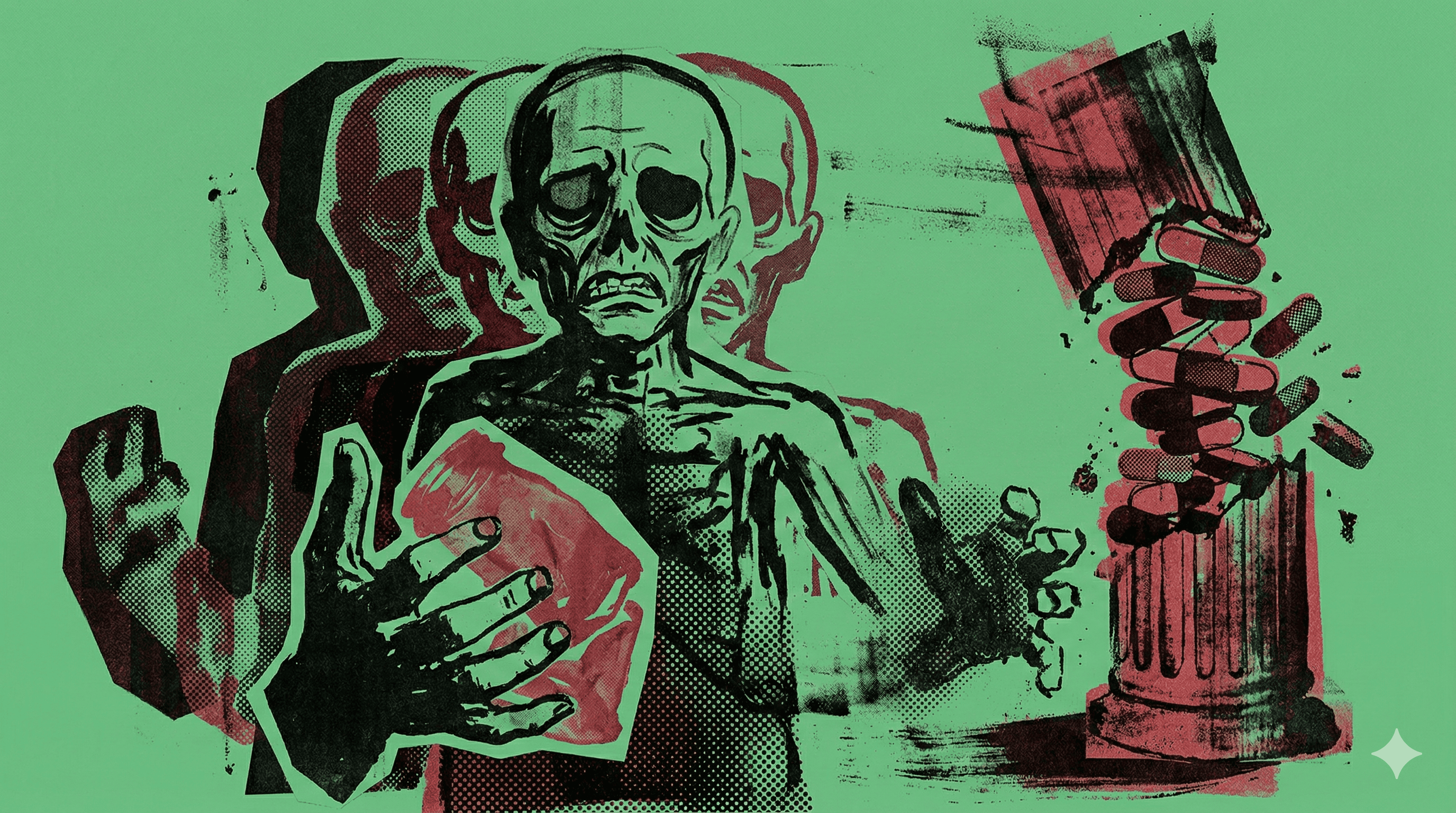
Eli Lilly has a new problem: their latest weight loss drug works so well that people are getting scared and quitting the trial.
According to The New York Times, retatrutide helped trial participants lose an average of 28.7% of their body weight over 68 weeks—compared to around 20% for currently available drugs like Ozempic and Wegovy. Between 12-18% dropped out due to side effects, and at least some quit because they thought they were losing *too much* weight.
Let me be clear: I'm not anti-medication. If a drug helps someone achieve better health outcomes with manageable side effects, great. But this development tells us something important about where we are with weight loss drugs—and where we might be headed.
The "More Is Better" Trap
For years, pharmaceutical companies raced to create the most powerful weight loss drugs possible. The logic seemed sound: obesity is a major health problem, current treatments don't work well enough for most people, so let's make drugs that produce dramatic results.
But now we're discovering what happens when you optimize for a single metric (pounds lost) without fully understanding the downstream effects.
When people lose nearly 30% of their body weight in 68 weeks, several things happen:
Muscle loss becomes a serious concern. Even with adequate protein and resistance training (which most people on these drugs aren't doing), losing weight that rapidly makes it nearly impossible to preserve lean mass. You're not just losing fat—you're losing the muscle and bone that keep you functional as you age.
The psychological impact is unpredictable. Some trial participants reportedly felt they "didn't look right." That's not vanity talking—that's people experiencing a rate of physical change their brains can't adapt to. Your self-image doesn't update as fast as the scale drops.
Eating becomes complicated. These drugs work partly by crushing appetite. When you're eating very little by design, the line between "therapeutic appetite suppression" and "disordered eating" gets blurry fast.
Dr. David Hyman, Eli Lilly's chief medical officer, tried to reassure everyone: "We're not of the belief that the most potent weight loss medicine is required for everybody, or that that's even the goal."
That's good to hear. But it raises an obvious question: if the most powerful drug isn't right for most people, why are we making it?
The Real Problem We're Not Solving
Here's what bothers me about this entire conversation: we're engineering around the consequences of how most people live, rather than addressing why they live that way.
The typical person considering weight loss drugs:
Works a sedentary job that demands 50+ hours per week
Has limited time and energy for meal preparation
Lives in an environment engineered to maximize consumption of hyperpalatable foods
Gets minimal exposure to natural movement patterns
Has sleep disrupted by screens, stress, and irregular schedules
A drug that suppresses appetite doesn't fix any of that. It just makes you eat less *within* that same dysfunctional context.
And when the drug works "too well," you end up with people losing weight so fast they can't maintain muscle, can't figure out what normal eating feels like, and can't recognize themselves in the mirror.
The Path Forward
I'm not arguing against pharmaceutical interventions for weight management. For some people, they're clearly valuable tools.
But the fact that a drug can work "too well" should prompt some hard questions:
Are we optimizing for the right outcomes? (Hint: pounds lost is not the same as improved health)
Are we prepared to support people through the psychological and physical changes these drugs create?
Are we teaching people sustainable eating and movement patterns, or just chemically overriding their appetite?
The most effective intervention isn't the one that produces the most dramatic short-term results. It's the one that produces sustainable improvements in how people function and feel.
That's harder to measure, slower to achieve, and doesn't make for exciting press releases. But it actually works.
What to Do This Week
Whether you're on weight loss medication or not, here's what actually matters for long-term health:
Prioritize protein intake. Aim for 0.7-1.0g per pound of body weight daily. This is non-negotiable if you want to preserve muscle during any weight loss attempt.
Lift heavy things twice per week minimum. Muscle is use-it-or-lose-it. Resistance training is the only reliable way to maintain lean mass during caloric restriction.
Track strength, not just scale weight. Can you do more reps at a given weight than last month? That's a better health marker than pounds lost.
If you're considering weight loss drugs, ask about muscle preservation. Any doctor prescribing these medications should have a plan for maintaining lean mass. If they don't, find one who does.
Focus on building sustainable habits. No drug, diet, or intervention works long-term unless it's paired with behavior you can maintain indefinitely.
The goal isn't to lose the maximum amount of weight in the minimum time. It's to build a stronger, more functional body you can maintain for decades.
Anything else is just rearranging deck chairs.
Matt
Original Article:
https://www.nytimes.com/2026/02/18/well/weight-loss-drugs-retatrutide.html