
Why Your Fitness Tracker Is Lying About Calories Burned
Feb 26, 2026
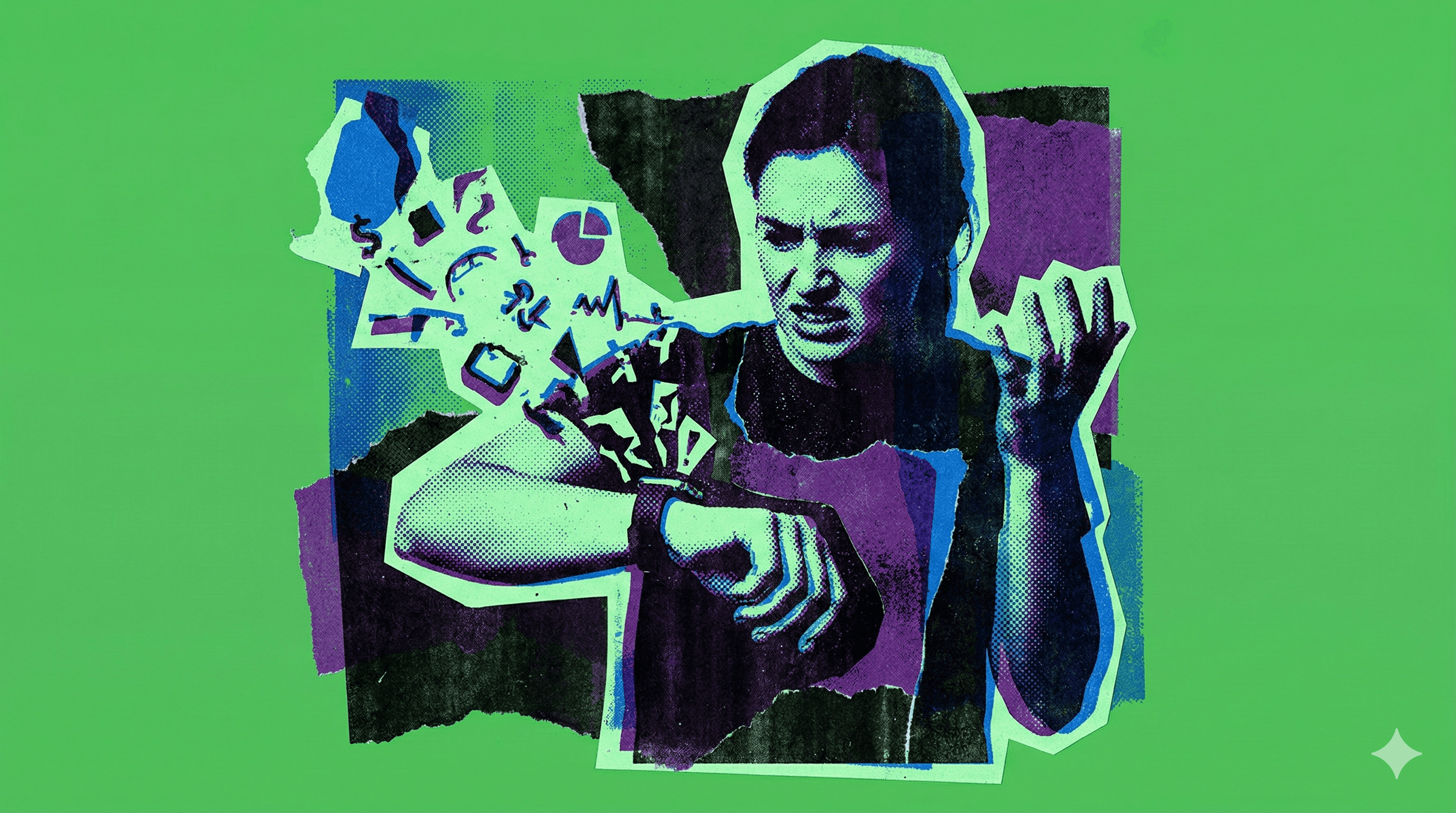
Researchers at Harvard's School of Engineering and Applied Sciences have developed a more accurate method for measuring calories burned during physical activity.
I don't have access to the full study details (the Google News link doesn't provide the complete article text), but this is worth discussing because calorie tracking is one of the most misunderstood and misused tools in fitness.
The Problem With Current Methods
Most fitness trackers estimate calorie burn using some combination of:
Heart rate monitoring
Step counting
User-inputted data (age, weight, height, sex)
Generic metabolic equations
These methods can be wildly inaccurate—often overestimating actual energy expenditure by 20-30% or more.
Why? Because individual metabolic variation is huge. Two people of identical size doing the same workout can burn significantly different amounts of calories based on:
Muscle mass and body composition
Metabolic efficiency (which varies person-to-person)
Training status (fit people burn fewer calories doing the same work)
Genetic factors
Environmental conditions
Your Apple Watch doesn't know any of this. It's making educated guesses based on population averages.
Why This Matters
Inaccurate calorie burn estimates create several problems:
Overestimating exercise calories leads to overeating. You think you burned 600 calories in spin class, so you "earn" an extra snack. In reality, you burned 350 calories, and that snack just put you in a surplus.
It reinforces the wrong relationship with exercise. When you view workouts primarily as calorie-burning sessions, you optimize for the wrong things—long, moderate-intensity cardio instead of strength work that actually changes your body composition.
It makes people crazy. Obsessively tracking calories in/calories out creates an adversarial relationship with food and exercise. You're constantly doing math instead of developing intuition about hunger, fullness, and appropriate portion sizes.
What Actually Works for Energy Balance
Forget your fitness tracker's calorie estimates. Here's what to pay attention to instead:
Track body weight and strength performance over time. Weigh yourself weekly (same day, same time, same conditions). If weight is stable and strength is increasing, you're probably in a slight surplus or maintenance—and you're building muscle. If weight is dropping slowly while strength holds steady, you're in a productive deficit.
Use the mirror and your clothes. Are you getting leaner or softer? Do your pants fit differently? This tells you more than any calorie tracking app.
Pay attention to hunger and energy levels. Genuine hunger (not boredom or habit) is a useful signal. So is training performance. If you're constantly hungry and your workouts suck, you're probably undereating. If you're gaining fat and feel sluggish, you're probably overeating.
Adjust food intake based on results, not estimates. Start with a reasonable baseline (for most people, this is roughly 12-15 calories per pound of body weight for maintenance). Track what happens for 2-3 weeks. Adjust up or down by 200-300 calories based on whether you're gaining, losing, or maintaining. Repeat.
The Real Value of Better Measurement
If Harvard's new method produces significantly more accurate calorie burn data, that's legitimately useful for researchers studying metabolism, exercise physiology, and energy balance.
But for the average person trying to get stronger or leaner? It doesn't change much.
You still can't out-track a bad diet. You still can't compensate for poor food choices by doing extra cardio. And you still can't reduce body composition to a simple math equation, no matter how precise your measurements.
The people who get the best results aren't the ones with the most accurate calorie data. They're the ones who:
Lift consistently
Eat mostly whole foods in reasonable portions
Sleep adequately
Manage stress
Give their bodies time to adapt
Those behaviors work regardless of whether your fitness tracker says you burned 247 calories or 412.
The Bottom Line
Better measurement tools are always welcome. But don't mistake precision for accuracy, and don't mistake either one for results.
If you want to change your body composition, focus on the behaviors that reliably produce those changes: progressive resistance training, adequate protein intake, and consistent effort over months and years.
-Matt
Original Article:
https://seas.harvard.edu/news/more-accurate-measure-calories-burned